STEVE SMITH – FROM THE COAL BOARD TO PICTURE ZERO
05/2026
Steve Smith
In 1979, I started work at the National Coal Board Film Unit. I was eighteen. A trainee film editor, learning my craft inside one of the most significant industrial film units in British history – documenting the machinery, the people and the culture of an industry that had powered this country for generations. Nobody was thinking about carbon. We were thinking about coal.
I’ve thought about that a great deal since. Because of all the places I could have started, I began my working life making films for the fossil fuel industry. The irony isn’t lost on me. In many ways, my whole story begins there.
I’ve never been interested in accepting “that’s just how it’s done.” That instinct took me somewhere unexpected early on. Before the end of my teens, I was campaigning for more programmes made for young people – because there simply weren’t any. We pushed hard enough that the BBC gave us a chance to prove the point – a documentary about divorce, told entirely from the perspective of young people. At the time, nobody had thought to ask them how they felt about their parents’ marriages breaking down. It was a simple shift. But it changed the story completely.
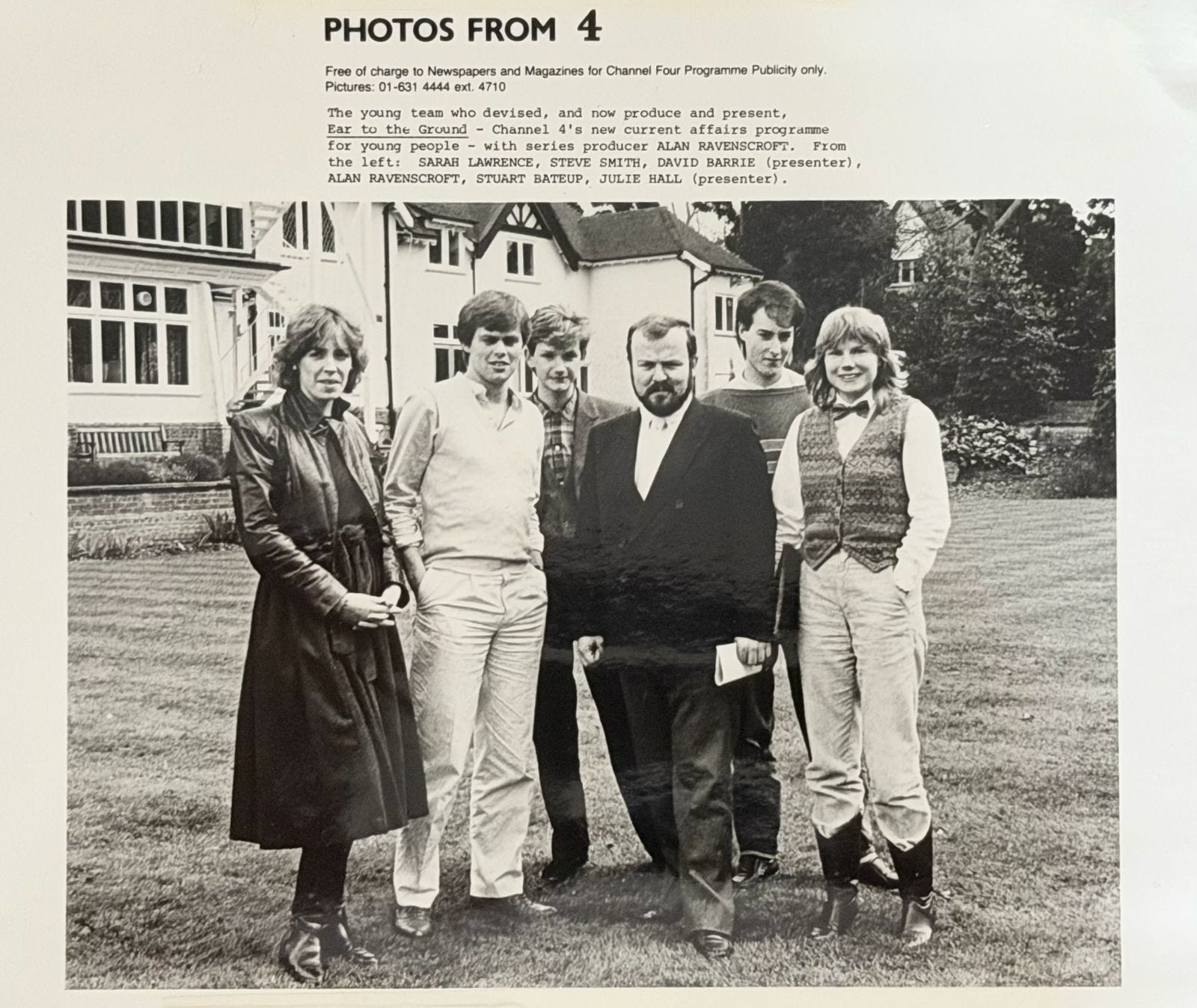
Not long after, we were commissioned to create one of the first programmes on the newly formed Channel 4. It was 1983. Before that, Britain had three television channels. Ear to the Ground was a current affairs series made by and for young people – experimental, genuinely new, and trying to change who got to speak on television. It taught me something that never left me: who gets to tell the story changes the story.
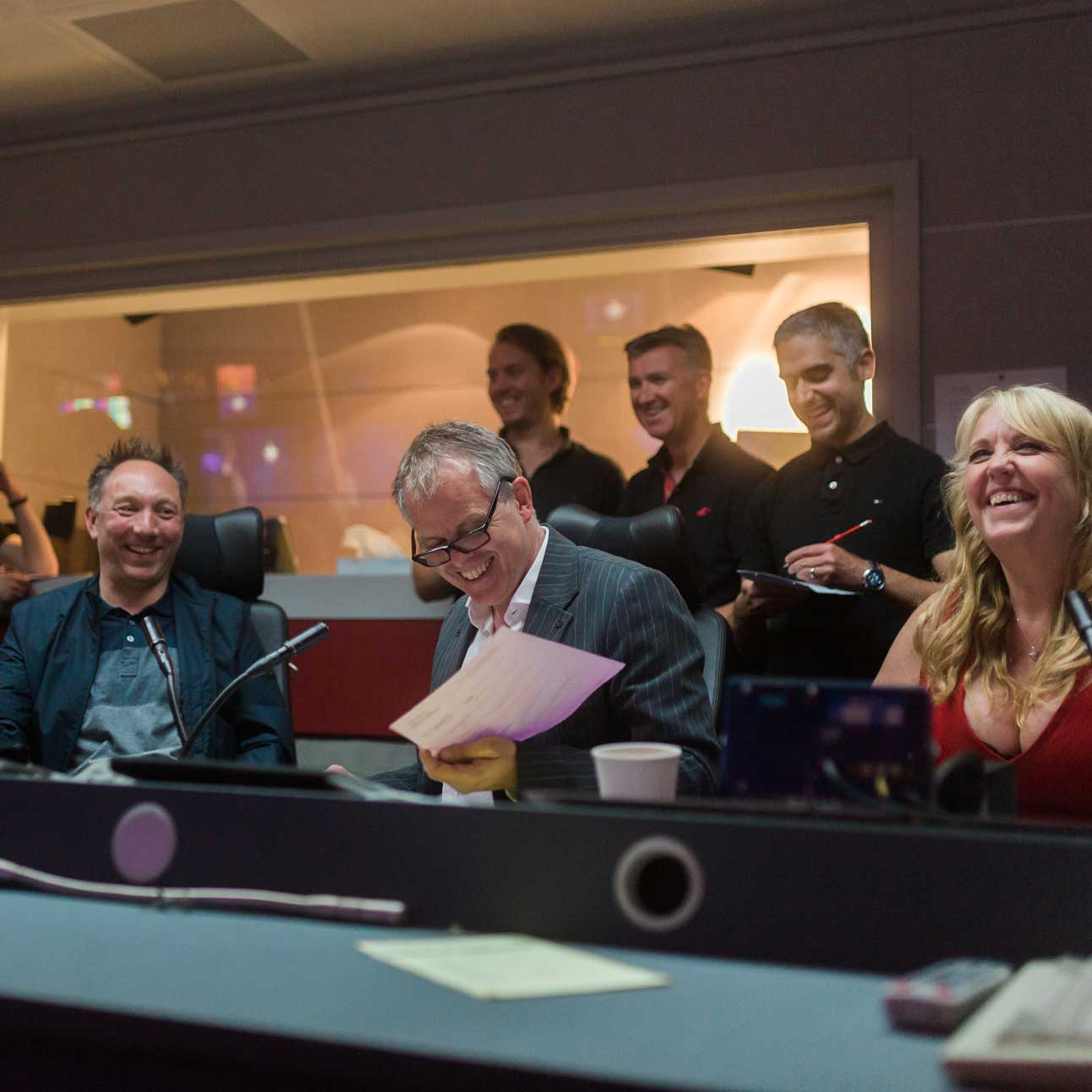
From there, my directing career took off. I joined the BBC in Manchester, trained as a studio director, and spent the following three decades directing some of the UK’s most successful television. More than twenty years of that was at the helm of The Graham Norton Show – one of the most watched talk shows in the world.
I worked at scale. I won awards. For a long time, that was enough. Until something else started pulling at me.
My partner Robert and I moved to Wiltshire. And with that came a deepened connection to the natural world – and a growing sense that something wasn’t right. Not in a dramatic way. In a lived one. Seasons shifting. Rivers behaving unpredictably. Plants flowering at the wrong time. Patterns you assume are fixed beginning to drift. It didn’t feel ideological. It felt like something was breaking.
When I was born, atmospheric CO₂ was around 320 parts per million. Today, we are just over 430. That shift has happened within a single lifetime. I remember when temperatures crossed 1 degree of warming. Then 1.2. Then 1.5 for the first time across an entire year. These weren’t abstract targets. They were lines we were told we shouldn’t cross. We crossed them anyway.
As that awareness grew, I did what I’d always done. I tried to tell stories about it. In the early 2000s, I pitched ideas about climate change to broadcasters. Almost without exception, they went nowhere. There wasn’t an appetite for it.
But things began to shift. When (what is now BAFTA) Albert launched in 2015, I got involved as one of their first trainers – working with crews and creatives on both the practical side of reducing emissions and the bigger picture of climate storytelling. Those sessions were powerful. You could see the moment when it clicked for people – when the abstract became real, when the future stopped being something distant and became something shaped by the choices we make now.
And for me, something else was clicking too. The more I spoke at industry events, the clearer it became: I could continue talking about this – or I could try to do something more.
In early 2019, I was at a BAFTA Albert event where Christiana Figueres – the diplomat instrumental in bringing the Paris Agreement into existence – was speaking. Afterwards, a man named Fergus Haycock came and found me. We talked for a long time. By the end of that conversation, the idea of Picture Zero had taken shape.
Our first project, The People vs Climate Change, broadcast on BBC Two, followed the UK’s first citizens’ assembly on climate – bringing together ordinary people, giving them access to evidence, and asking them to decide what should be done. Five years on, it’s still being screened, still changing minds. People don’t need to be told what to think. They need the space to engage, understand, and decide.
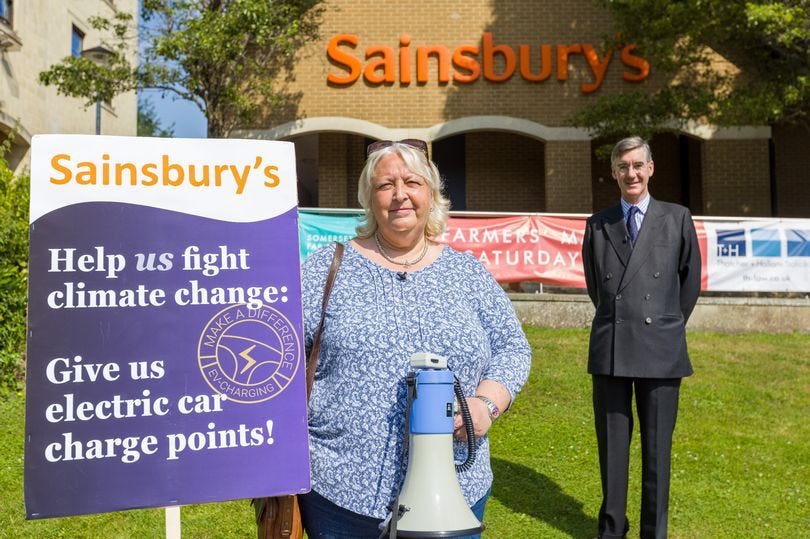
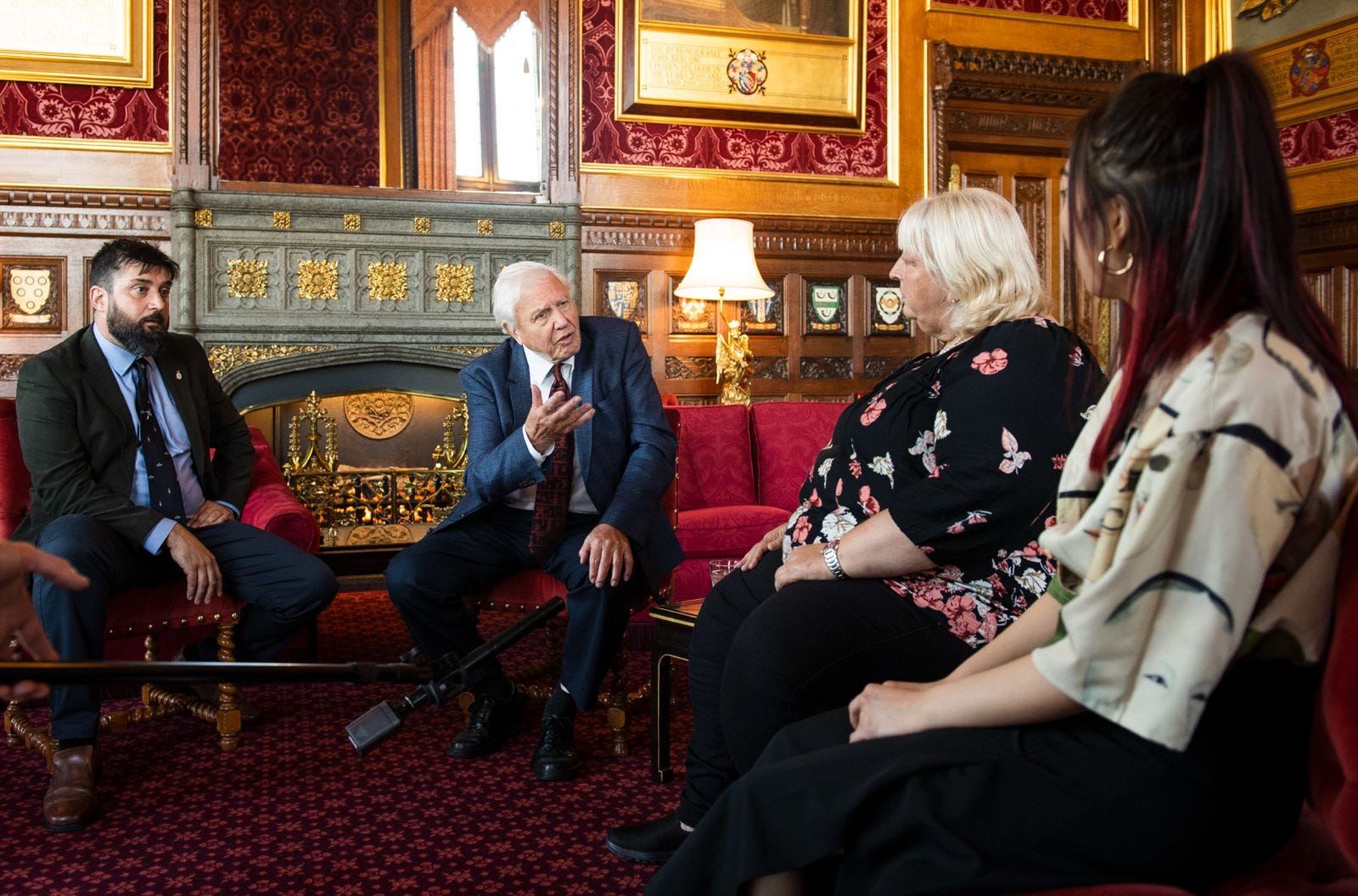
Picture Zero eventually evolved from a production company into a sustainability advisory company – working from within the industry to help productions reduce their emissions, rethink their systems, and embed sustainability into the creative process itself.
People sometimes ask if I miss directing. I don’t see it like that. I didn’t leave directing. I redirected it.
Because here is what I’ve come to believe. The climate crisis is not one issue among many. It is the condition that shapes all the others. If we don’t address it, poverty becomes harder to solve. Conflict becomes more likely. Hunger worsens. Inequality deepens. Every problem we care about becomes harder, not easier.
But if we do address it, the opposite is true.
I started my career in an industry built on coal. I am spending the rest of it trying to build something different. The screen industries are not on the sidelines of the climate crisis. They are right at the centre of it – not just because of their emissions, but because of their influence over what people believe is possible.
That’s what I’ll be writing about here.