We Know What Changes Behaviour. So Why Aren’t We Doing It?
06/2026
Steve Smith
Over a decade after BAFTA Albert launched, the UK screen industry has trained thousands of people in sustainable production. And yet emissions are still rising. This piece asks a harder question – not whether we are trying, but whether we are investing in the right things, and what the science of behaviour change actually tells us about what works.
The UK’s major broadcasters have set Science Based Targets – independently verified and aligned with the Paris Agreement – committing to roughly halve their emissions by 2030, with full net zero by 2050. The industry has also collectively committed to transitioning to clean temporary power on productions by the same date.
That deadline is four years away. And right now, the data is moving in the wrong direction. The most recent figures from the BAFTA Albert Accelerate report in 2025 show high-end TV drama averaging just above 50 tonnes of CO₂ per episode – a slight increase on the previous year. After more than a decade of training, certification and growing industry awareness, we are still not on track.
So, it’s worth asking an honest question: what are we missing?
The exercise that worked
I became one of BAFTA Albert’s first sustainability trainers in 2015. Those were in-person sessions, a full day with rooms full of production teams, proper time and space to engage. And one exercise always landed.
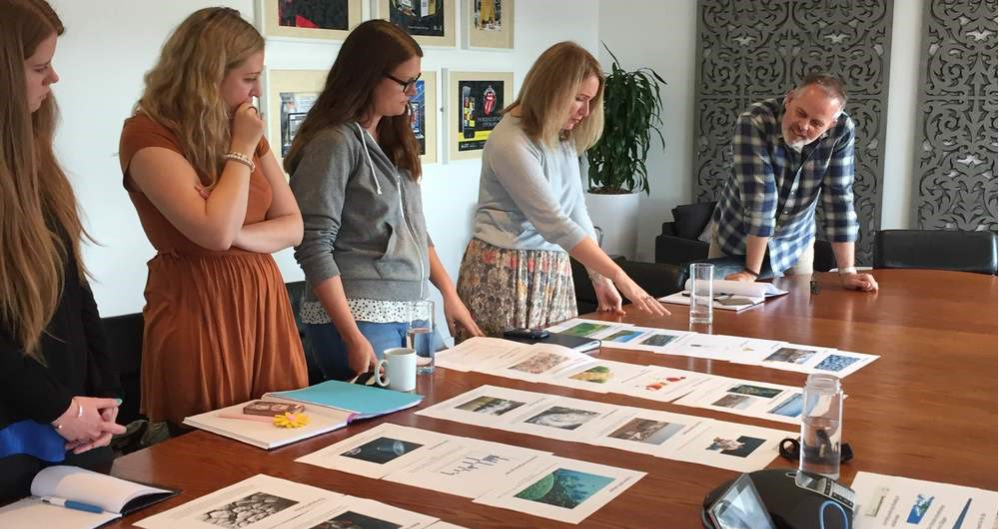
We split the room in two. One group built a future and told a story with images where we’d tackled climate change. The other built a future where we hadn’t. The “business as usual” timeline was always chilling – not because it was extreme, but because it was believable. It was already happening.
Then the second group would present. Action. Intervention. Change. And the moment: what’s the difference between these two futures? The room would get it. Not because we’d told them. Because they’d worked it out themselves.
What made that work wasn’t the content. It was the engagement. It was participatory, in-person, and it gave people the space to reach their own conclusions.
Most sustainability training today looks nothing like that. It’s online. Ninety minutes of a PowerPoint presentation. Generic content covering transport, catering, circular economy, waste – designed for everyone, which means it’s tailored for no one. A costume supervisor and a lighting gaffer face completely different sustainability challenges on a production. Generic content often feels tangential to both of them, and when training feels irrelevant, people disengage. You get compliance, not commitment.
There is also a structural problem with who actually receives it. Freelance crew are either on a production – in which case they’re not available – or between jobs and not being paid. They’re not attending optional unpaid training on their days off. What tends to happen is that production management – who have dedicated time in their prep schedules – are the ones who make it to sessions. The result is that the people making day-to-day decisions on the ground, in departments, are often not in the room.
The research the industry is applying selectively
There is a climate psychologist whose work is widely respected across the film and TV industry. Dr Kris De Meyer’s central argument is this: actions drive beliefs. Not the other way around. People don’t change because they’ve been told what to think. They change because they try something, see that it works, and build from there.
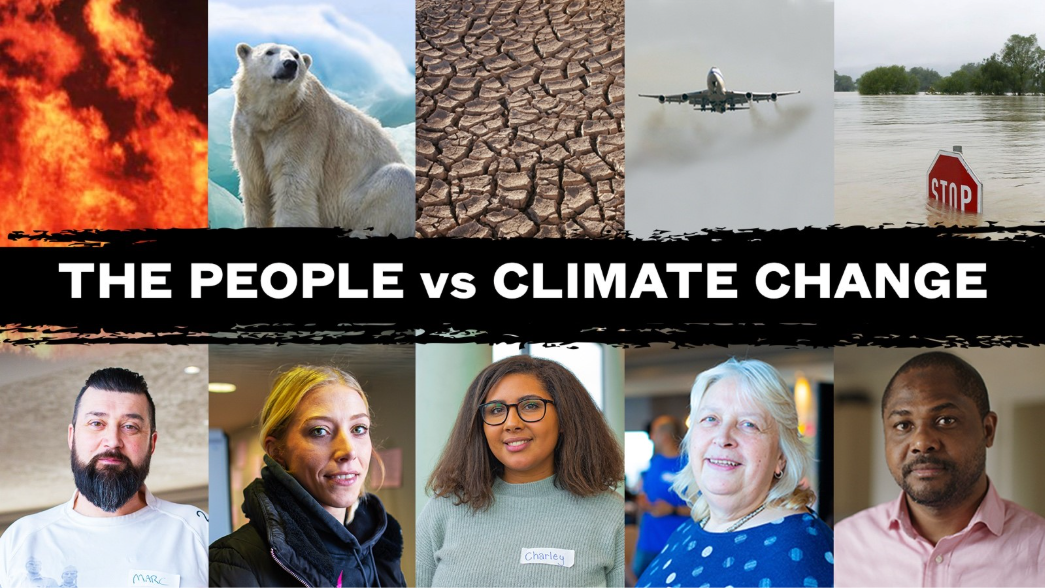
We use this insight constantly when talking about climate storytelling. It’s why we argue for showing climate as part of lived reality rather than lecturing audiences. It’s the logic behind ‘The People vs Climate Change’ (BBC Two, 2021) – a documentary following the UK’s first citizens’ assembly on climate, which worked precisely because it gave ordinary people the space to engage with evidence and reach their own conclusions, rather than being told what to think.
And yet, when it comes to changing behaviour within the film and TV industry itself, we revert to telling. Generic online sessions. One-off events that provide no longitudinal support, no troubleshooting, no social learning – none of the things that actually bridge the gap between knowing and doing.
The research we cite to justify our editorial choices is being ignored in our operational ones. That is a significant inconsistency – and it matters.
What actually works
At Picture Zero, we work embedded inside productions – alongside teams, across departments, in the reality of time pressure and budget constraints. We don’t arrive with a slide deck and tell people what to do. We work with HODs and crew to find solutions that work within their specific workflows. We hold their hands as they try something for the first time. And we watch what happens.
What happens is that it sticks.
We are now working with some of the same crew across their second and third productions. The practices they tried on the first job – generator decisions, logistics choices, material substitutions – are no longer things they need support with. They’ve become instinctive. Crew carry them to their next production without being asked. That is exactly the escalation of actions Dr De Meyer describes: try something, see it works, repeat, internalise. Habits form. Culture shifts.
That kind of change doesn’t come from a training session. It comes from doing.
A nuance worth acknowledging
Picture Zero delivers training as well as embedded support, and I want to be clear about that. BAFTA Albert certification requires that at least one senior production person and one senior editorial person on each production undertake approved sustainability training – and our training now counts towards that certification.
But the way we deliver it is different. We make it production-specific: a session for a scripted drama covers scripted drama, not documentary or reality television. We condense it to an hour. We connect it directly to the challenges of that specific production. The engagement is significantly higher – because the content is relevant.
That distinction matters. The problem is not training itself. The problem is generic online training, delivered in isolation from real practice, that asks people to absorb content and then apply it on their own – weeks later, under pressure – when the moment that matters finally arrives.
The honest question
I have a stake in this argument, and I want to be straightforward about it. Picture Zero benefits from a model that values embedded expertise. But I’d ask you to look at the evidence rather than the source. If I didn’t run Picture Zero, I’d still be making this case. Because emissions are still rising more than a decade in – and that is not a commercial argument. That is a measurement.
This is also not an argument against BAFTA Albert, or against the training infrastructure the industry has worked hard to build. That work has genuine value. It raised awareness, established shared language, and created foundations without which none of our progress would have been possible.
But ten years on, it is fair to ask: is the balance right? Are resources flowing towards what the evidence tells us actually changes behaviour?
Where this leads
We have been talking about this for ten years. Emissions are still rising. It’s time to stop training people to care – and start helping them to act.
Recommended Resources:
https://www.yourbrainonclimate.com/1817605/episodes/16424675-stories-of-action-with-kris-de-meyer
https://www.dga.org/Events/2024/January2024/SustainabilityTrainingforDGAMembers_SFC-1123
https://carbonliteracy.com/carbon-literacy-a-tv-director-speaks/
https://www.linkedin.com/pulse/sustainable-storytelling-steve-smith-steve-connor-ikb8e/
